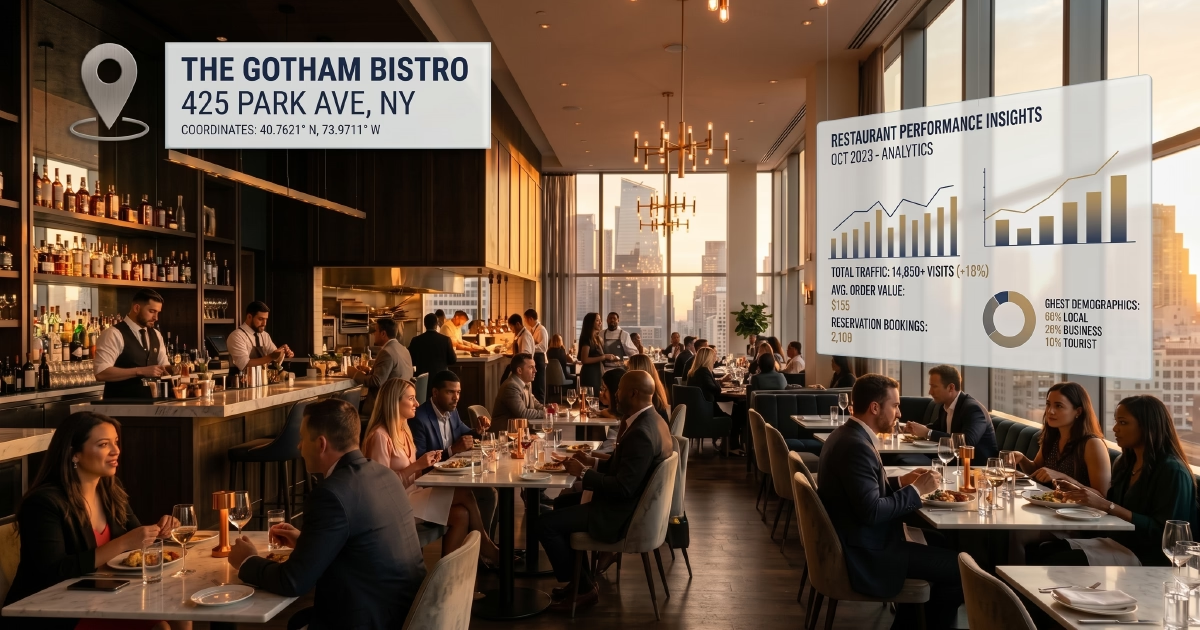
For restaurant owners, the ultimate metric of success isn't website traffic—it's fully booked tables and a bustling dining room. However, to get those customers through the door, you need to be visible exactly when they are deciding where to eat. This brings up the classic marketing debate: should you invest your budget in Local SEO or Paid Ads?
Both channels offer unique advantages, but understanding how to deploy them effectively is what separates thriving restaurants from those struggling to fill seats.
The Power of Local SEO: Building Long-Term Authority
Local SEO is the foundation of your restaurant's digital presence. When hungry diners search for "best [cuisine] near me," you want your business to be the first one they see. A successful local SEO strategy relies heavily on geographic optimization and capturing local intent.
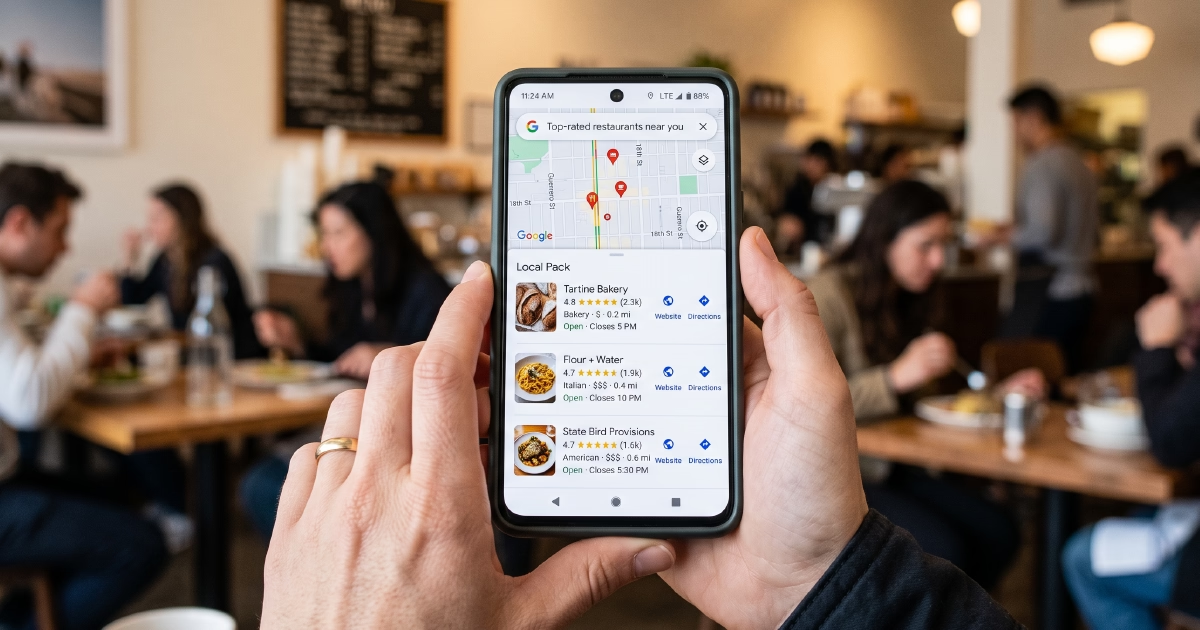
The cornerstone of this strategy is Google My Business (GMB). For restaurants, an optimized Google Business Profile is arguably more important than your actual website. It gets you into the "Local Pack" (the map results at the top of Google searches) and puts your menu, reviews, and booking links front and center. By maintaining accurate citations, responding to reviews, and updating your GMB profile, you create a trusted digital storefront that continuously drives foot traffic.
Furthermore, modern SEO goes beyond traditional search. At Alturia, we focus on Google Maps dominance, local SEO for "best [cuisine] near me" searches, schema markup for menus and reservations, and Answer Engine Optimization (AEO). This ensures that when someone asks ChatGPT or Google AI Overviews "where should I eat in this city?", your restaurant is recommended directly by AI tools.
While SEO builds organic rankings that compound over time and don't cost you per click, it requires patience. It typically takes 60-90 days to see measurable movement in rankings.
Paid Ads: Immediate Visibility and Targeted Reach
If SEO is a long-term investment, paid media is the accelerator. When you need to push a new seasonal menu, fill tables on a slow Tuesday, or capture immediate demand, Paid Ads deliver instant visibility.
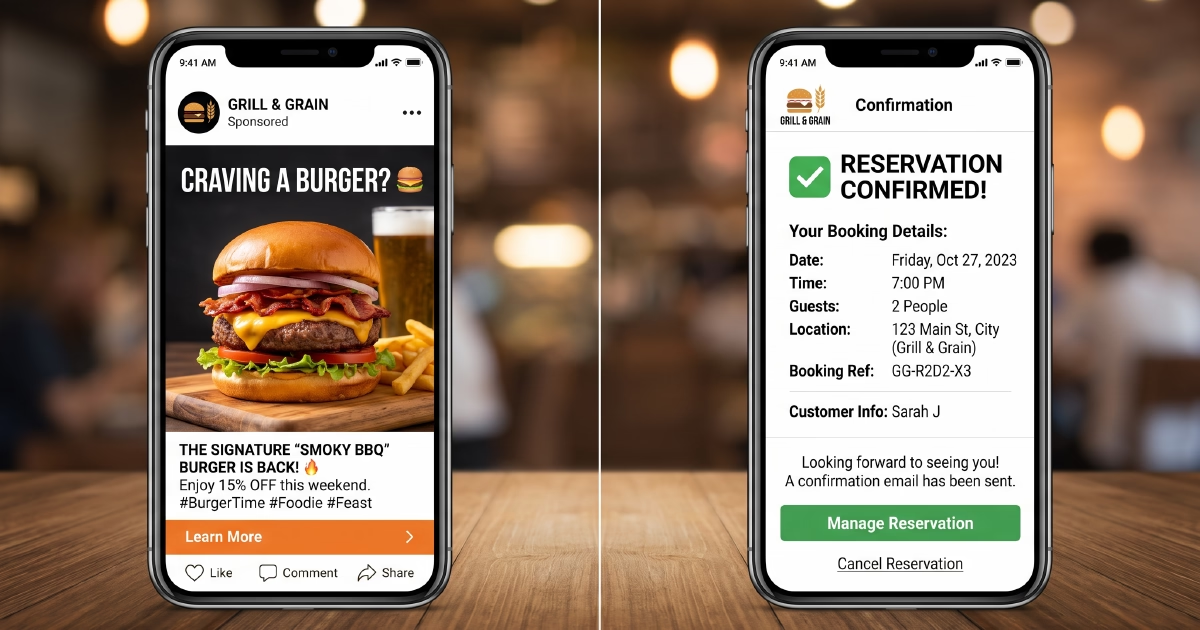
For restaurants, the most effective paid strategies revolve around local targeting. This involves Google Local campaigns driving Maps-to-phone and Maps-to-reservation conversions, and Meta campaigns with radius targeting for promotions and events. By configuring reservation and call tracking, you can know exactly which campaign filled which table.
The advantage of Paid Ads is speed and precision. However, you pay for every click, and the traffic stops the moment your budget runs out.
Maximizing Your ROI: The Synergistic Approach
So, which is better? The truth is, the most profitable restaurants don't choose between Local SEO and Paid Ads; they use both.
Google Ads puts you at the top immediately, while SEO builds organic rankings that compound. Paid ads generate data—keyword performance, audience signals, and conversion rates—that make your SEO strategy exponentially sharper. The two work best together: Ads for immediate traffic while SEO builds, and SEO for long-term visibility that Ads can't replace.
By balancing immediate acquisition through precise Paid Media with the compounding authority of Local SEO and Google My Business, you build a sustainable growth engine that maximizes your marketing ROI.
However, executing this synergistic approach requires the right partner. If you want to ensure you are making the best investment for your business, discover "How to Choose the Right Digital Marketing Agency" that truly aligns with your restaurant's growth goals.